Master the Bent Leg Body Twist Form
 13 min
You finish a long day at your desk, stand up, and notice that your lower back feels stiff while your upper body still seems locked into the shape of the chair. The problem isn't always a lack of strength. Often, your body hasn't had many opportunities to rotate, shift, and control movement outside the narrow positions required by sitting, driving, or working at a screen.
The bent leg body twist is a useful answer because it needs no equipment, little space, and only a few minutes of attention. Used as a daily exercise snack, it can help you practice controlled trunk rotation without turning mobility work into an aggressive stretching session. The movement also pairs well with other floor-based patterns, including the bear crawl exercises, when you want to move from gentle mobility into active whole-body work.
Table of Contents
- Why Your Spine Needs This Daily Mobility Drill
- Setting Up the Perfect Starting Position
- Executing the Rotation with Total Control
- Common Form Breakdowns and Smart Regressions
- Programming the Twist into Your Daily Routine
- Final Cues for a Healthier and Stronger Back
Why Your Spine Needs This Daily Mobility Drill
The bent leg body twist gives your trunk a chance to work in the transverse plane, the plane responsible for rotational movement. That matters because desk work usually keeps your body facing forward, while daily life asks you to turn toward a monitor, reach for a bag, look behind you, or change direction during sport and exercise.
This isn't a demand for extreme flexibility. The useful quality is controlled rotation while the upper body stays grounded. With your arms spread and your legs moving together, the drill creates a clear reference point. You can feel whether your shoulders stay stable, whether your abdominals help brake the motion, and whether your hips are driving the movement through momentum.
Practical rule: The best daily mobility drill is one you can perform calmly, repeat consistently, and stop before your form changes.
Think of the movement as a bridge between stillness and activity. In the morning, it can help you explore rotation before you start moving through the day. After hours of sitting, it gives you a simple way to change position without immediately forcing a deep stretch. Before an evening walk, bodyweight session, or recreational activity, it can help you check how your trunk moves from side to side.
The drill isn't a cure for back pain, and it shouldn't be treated as a test of how far your knees can reach toward the floor. Its value comes from giving you a repeatable practice for trunk control, breathing, and rotational mobility. A small, technically clean set often makes more sense than occasional, forceful twisting.
Setting Up the Perfect Starting Position
Start on your back in a supine position, with your head resting comfortably on the floor. Bend your hips and knees to 90 degrees, so your thighs point upward and your lower legs extend forward. Keep your knees and feet together rather than allowing one leg to drift ahead of the other.
The U.S. Army lists the Bent-Leg Body Twist as the ninth exercise in its Preparation Drill. Its published standard uses this supine setup, arms extended to the sides, and controlled movement of the legs from left to right while the knees and feet remain together. You can review the official preparation drill guidance for the formal exercise context.
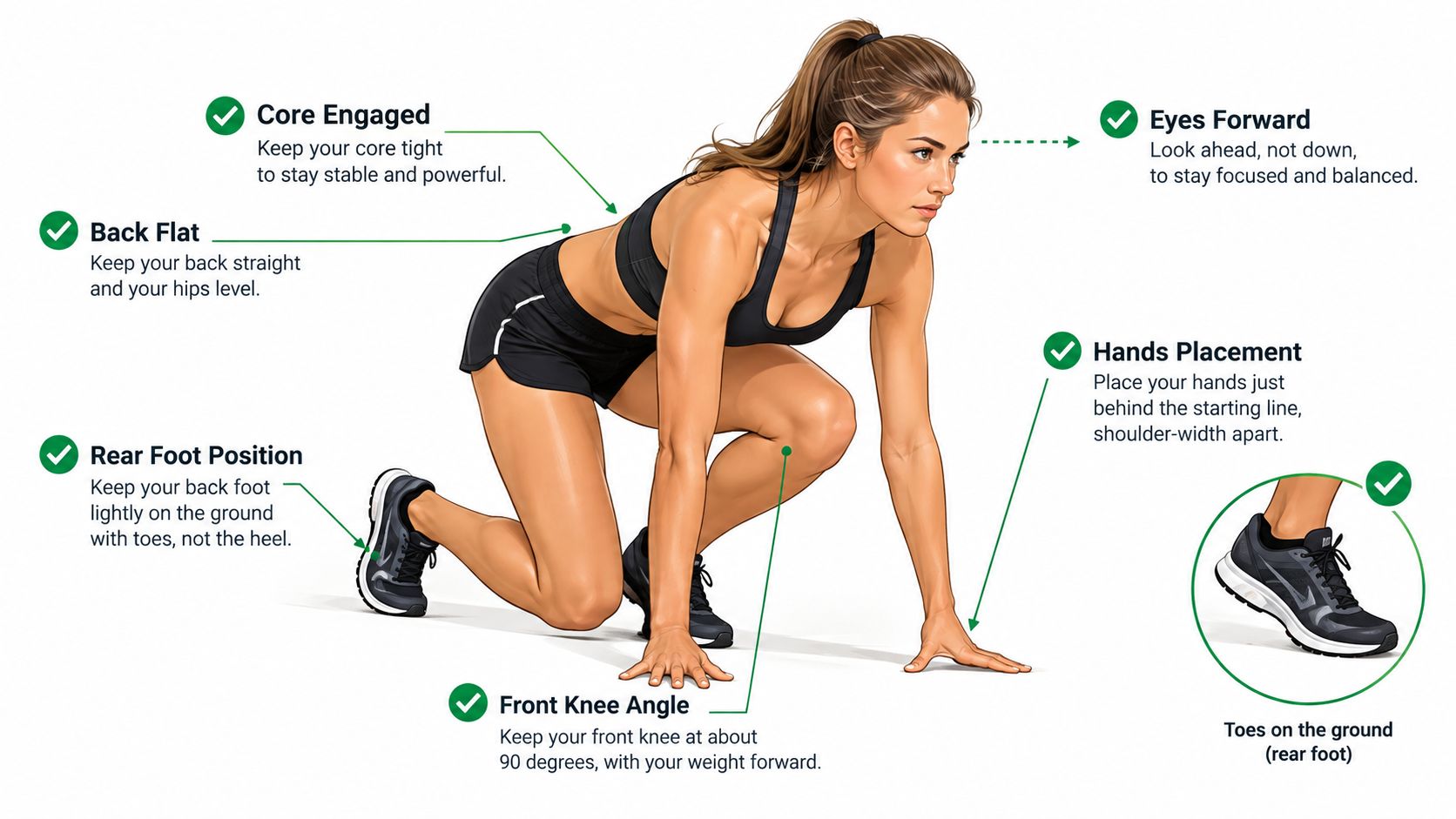
Place your arms out to the sides, palms on the floor. Treat your hands and upper back as anchors, not as passive decoration. Before moving, notice whether both shoulder blades have contact with the ground and whether your rib cage is relaxed rather than flared upward.
Build the position before adding motion
The 90-degree shape makes the legs easier to move as a unit, but it also exposes poor control quickly. If your pelvis tips aggressively or your ribs lift as soon as the legs shift, the starting position may be too demanding for you today.
Take a quiet breath and lightly brace your abdominals. You don't need to press your lower back forcefully into the floor or flatten every natural curve. Instead, create enough tension to keep your trunk organized while the hips begin the rotation.
Keep your gaze toward the ceiling and let your neck stay easy. The first repetition should feel like a position check. If you can't keep your shoulders, arms, and upper back grounded before the legs move, reduce the challenge rather than trying to force the full version.
The demonstration below can help you compare the general setup and rhythm with your own position.
Executing the Rotation with Total Control
For desk workers, the bent leg body twist works well as a short daily exercise snack. The goal is to give the spine controlled movement after hours of sitting, not to force the knees toward the floor. A smaller range performed with steady breathing provides more useful practice than a deep swing you cannot control.
From the 90-degree starting shape, guide both legs slowly toward one side. Keep the knees and feet together so the legs move as one unit. Allow the pelvis and trunk to rotate while the shoulders and arms stay planted, giving the movement a stable base.
Lower the legs on a smooth breath out, then breathe in as you return through center. Exhaling can help maintain abdominal tension, but holding your breath creates unnecessary stiffness. Your abdominals should slow the descent and control the return. Gravity assists the movement, yet you choose the depth and speed throughout.
Find your honest range
Pause briefly at the point where the opposite shoulder remains grounded. Bring the legs back through center with control, then repeat on the other side. Keep the rhythm measured. If the legs drop and rebound, the range is too large or the pace is too fast.
The H2F preparation drill guidance describes the same basic coordination, with the upper back and arms fixed while the legs alternate from side to side. For daily mobility, use that principle without chasing the full military preparation drill range. Heavy shoulders, quiet ribs, and a deliberate return are better cues than proximity to the floor.
A clean repetition ends before your body has to negotiate with momentum.
Keep the legs higher or shorten the arc if you lose control. You can also perform one leg at a time to reduce the demand on the trunk and hips. These versions retain the coordination of the drill while giving you a manageable way to build control during a work break or between daily tasks.
You should feel controlled motion around the torso, not a sharp pull in the lower back. If the descent becomes abrupt, return to center, reset your brace, and reduce the range. Track progress through stable shoulders, smooth breathing, and consistent control rather than how close the knees reach the mat.
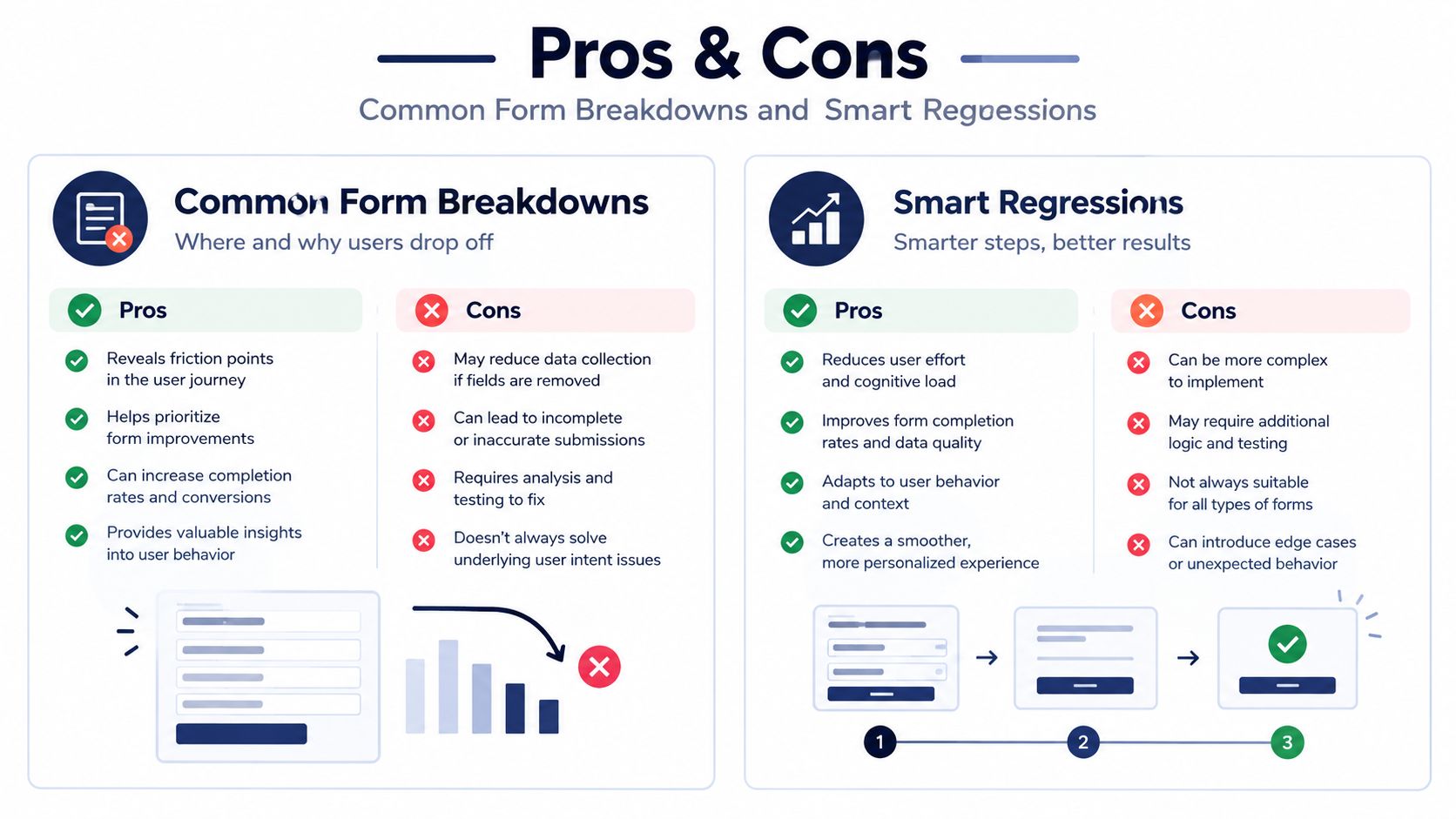
Common Form Breakdowns and Smart Regressions
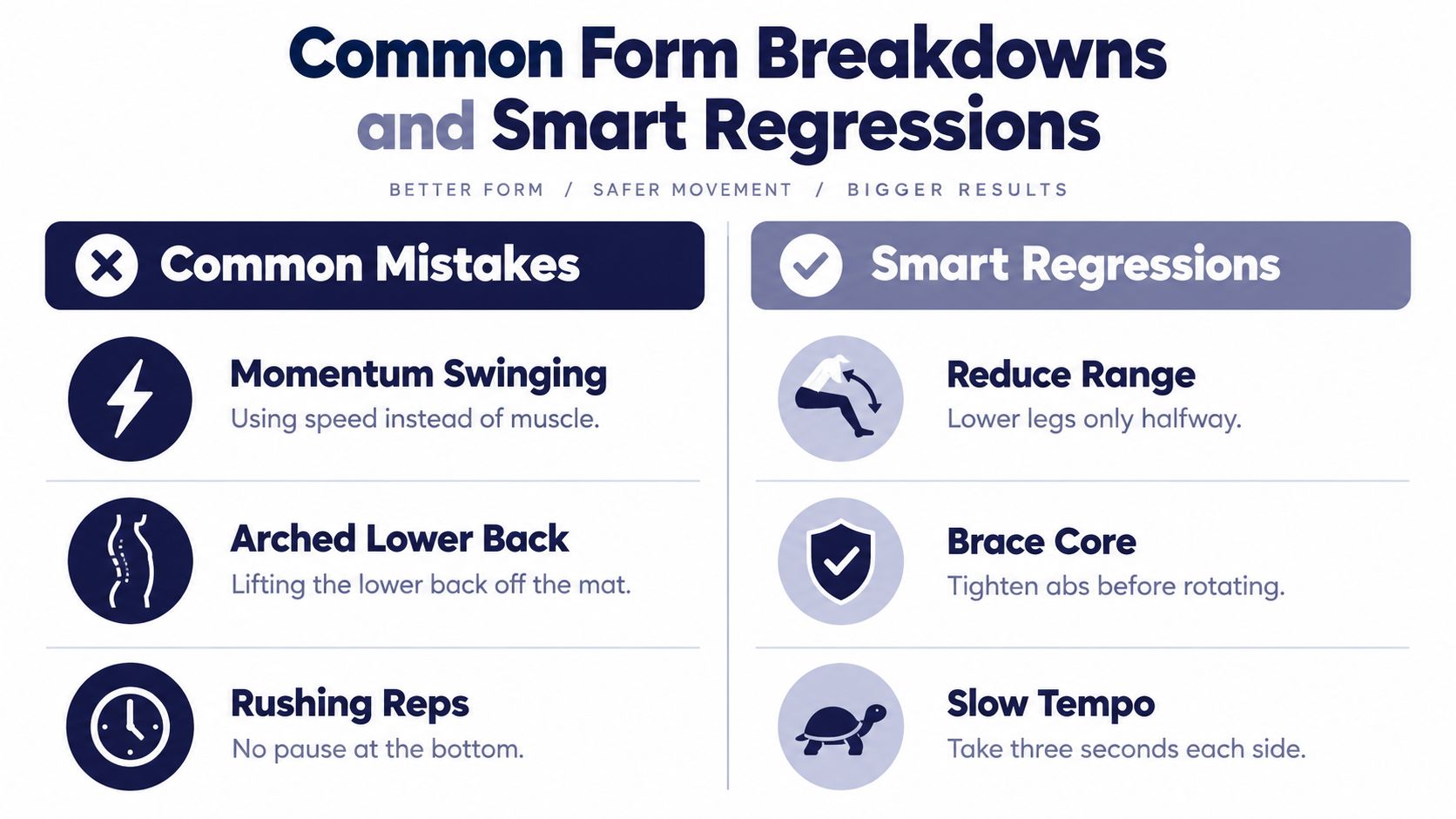
A desk worker often discovers the problem during a short mobility break: the knees travel farther, the shoulders lift, and the lower back takes over. That larger range can look impressive, but it makes the bent leg body twist less useful. Treat the movement as a controlled daily practice, not a flexibility contest. Range of motion comes after position, breathing, and a steady return.
The first breakdown is using momentum. The legs drop quickly, rebound from the end of the arc, and swing back through center. The second is letting the opposite shoulder peel away from the floor. That shoulder lift gives the pelvis and trunk extra movement, but it also removes the stable base that keeps the rotation honest.
Match the variation to your control
Choose the version you can repeat without losing your position:
- Reduce the range: Lower the legs only part of the way if a shoulder begins to lift, your ribs flare, or your breathing becomes strained.
- Adjust the arms: Bring the arms closer to your body when a wide position makes shoulder contact difficult.
- Keep your head down: Leave the neck quiet while you learn to control the pelvis and trunk.
- Support the feet: Place the feet on the floor and use a smaller side-to-side motion if the legs feel too heavy.
- Move one leg at a time: Alternate the legs when keeping both knees together causes the pelvis to shift sharply.
- Use a related drill: If rotation remains uncomfortable, practice a controlled up-and-over exercise for mobility before returning to the twist.
These regressions preserve the coordination without forcing a full range. They also give desk workers a practical option during a short break, when the goal is to restore comfortable movement rather than create fatigue.
The broader H2F workout guidance treats preparation movements as controlled, low-demand work. Apply that principle here. A smaller arc with stable shoulders is more productive than knees reaching the floor through momentum.
Use your breath as a real-time check. Inhale while preparing, then exhale gradually as the legs move. Return to center if you need to gasp, brace your jaw, grip the floor, or rush the transition. A clean repetition ends before control gives way.
A mild stretch is sufficient. It is not a reason to push farther. Independent ergonomic evidence associates prolonged bending and twisting with musculoskeletal risk, including bent or twisted positions held for more than two hours per day and trunk bending or twisting beyond 30 degrees for longer than 15 minutes compared with shorter exposure periods. The ergonomic discussion of bent-leg twists supports a cautious approach when daily work already involves sustained flexion and rotation.
Stop if the movement produces pain rather than manageable stretch or effort. With a current injury, persistent symptoms, or uncertainty about readiness, seek individual guidance from a qualified healthcare professional before using the full range.
Programming the Twist into Your Daily Routine
A mobility drill earns its place when it fits an existing part of your day. A desk worker might finish a laptop session, lie down for a few minutes, and use the bent leg body twist before returning to household tasks. Linking the movement to finishing work, changing clothes, or preparing for bed removes the need to find a separate workout window.
Use it as an exercise snack, not a test of flexibility. A brief set after prolonged sitting gives your trunk a controlled change of position. An evening set can also break up the forward-facing posture of desk work before you walk, train, or relax.
Choose a simple daily trigger
Build the practice around one repeatable pattern:
- Morning reset: Perform a few slow alternating repetitions after getting out of bed, staying comfortably inside your available range.
- Workday interruption: Lie on the floor after closing your laptop and use the drill as a short mobility break before resuming household tasks.
- Pre-training check: Treat the movement as a readiness screen. If your shoulders will not stay anchored, use a smaller variation before demanding exercise.
- Evening decompression: Move at an unhurried pace and finish while the drill still feels restorative, not tiring.
Record the practice where you will see it. A brief note, calendar mark, or shared habit log shows whether the movement is becoming consistent or remaining an intention. That record also helps you notice gradual improvements in ease and control that may be difficult to judge from one session to the next.
Progress the quality of the repetition before increasing its range. Look for smoother transitions, quieter breathing, steadier shoulders, and fewer pauses between sides. The intended dosage remains controlled because the knees and feet travel together while the upper back stays supported on the floor. That combination can challenge beginners and anyone with limited trunk control. The H2F workout material also presents preparation work as a low-demand movement practice, a useful principle for daily programming.
A simple mobility break should support strength work rather than compete with it. Pair the twist with a walk, a few bodyweight squats, or a short floor routine, while keeping the setup simple. If the practice requires too much preparation, it loses the convenience that makes an exercise snack useful. Use the smallest routine you can repeat reliably, then let consistency improve your desk-day mobility over time.
Final Cues for a Healthier and Stronger Back
Use this quick checklist whenever you practice the bent leg body twist:
- Start supine: Keep your head and upper back supported by the floor.
- Set the shape: Begin with the hips and knees at 90 degrees.
- Anchor the upper body: Keep the arms extended and the shoulders heavy.
- Move as one unit: Keep the knees and feet together as the legs rotate.
- Brace before descent: Create gentle abdominal tension before the legs leave center.
- Control both directions: Don't let gravity drop the legs or momentum return them.
- Stop at the shoulder limit: End the range before the opposite shoulder lifts.
- Breathe continuously: Use a calm exhale to support control rather than holding your breath.
- Regress without ego: Shorten the arc, support the feet, or move one leg at a time when necessary.
A good repetition feels organized from beginning to end. You should know where the movement starts, where your range ends, and how you return to the middle without swinging. That level of awareness is more valuable than forcing a deeper twist.
Use the same principle in other trunk exercises, including how to do side crunches. Keep the movement deliberate, respect the position of your spine, and let consistency build your capacity over time.
The bent leg body twist works best as a small daily practice. Give it a place in your morning, workday, or evening routine, choose the variation you can control, and make rotation quality your standard every time you lie down.
SuperStrong helps you turn short, at-home bodyweight sessions into a visible daily habit with a shared wall for up to four friends. Log your mobility and strength work alongside simple training goals, then visit SuperStrong to make consistent exercise easier to see and share.